
Pooler ZIP Code Coverage
Pooler addresses sit under ZIP code 31322, and the city's resident records generally line up with that coverage. One edge condition matters for anyone using a Pooler ZIP code directory. USPS moved 2,660 deliveries from Pooler 31322 into the Savannah designation 31407 back in 2015. A 31407 address is therefore not automatically inside Pooler. A 31322 mailing line does not by itself prove City of Pooler jurisdiction either. No current Pooler municipal address appears in 31302, and the city has no separate unique or PO-box ZIP of its own.
| Postal code | Verified relationship | Postal facility | Boundary caution |
|---|---|---|---|
| 31322 | Only current ZIP officially verified for Pooler-city addresses in this research | Pooler Main Post Office, 1030 US Highway 80 W | Postal name still does not establish the municipal boundary |
| 31407 | Savannah postal designation at the Pooler edge; received 2,660 deliveries from 31322 | Verify the exact address through USPS | Some records before July 2015 may carry Pooler 31322 for the same physical area |
The Pooler ZIP code directory stays deliberately narrow. Nearby postal areas cannot be claimed as Pooler without parcel-level evidence. Rapid annexation and closeness to Savannah, Garden City, and Bloomingdale create local identities. These never map neatly onto a postal label. When you take notes, record the municipality, the USPS city and ZIP, and the Chatham PIN as three separate fields.
That same distinction decides where a request belongs. Pooler's records custodian handles city-created permits, code files, and council material for incorporated Pooler. Chatham County maintains the parcel, deed, probate, and county court sources. USPS, meanwhile, governs delivery conventions. A ZIP result can point you toward the right area. It cannot tell you which government created a record or prove that a named person occupies a parcel.
Pooler 31322 Postal Base
The official Pooler Post Office detail page places the main station at 1030 US Highway 80 W and lists its public phone number as 912-748-4927.
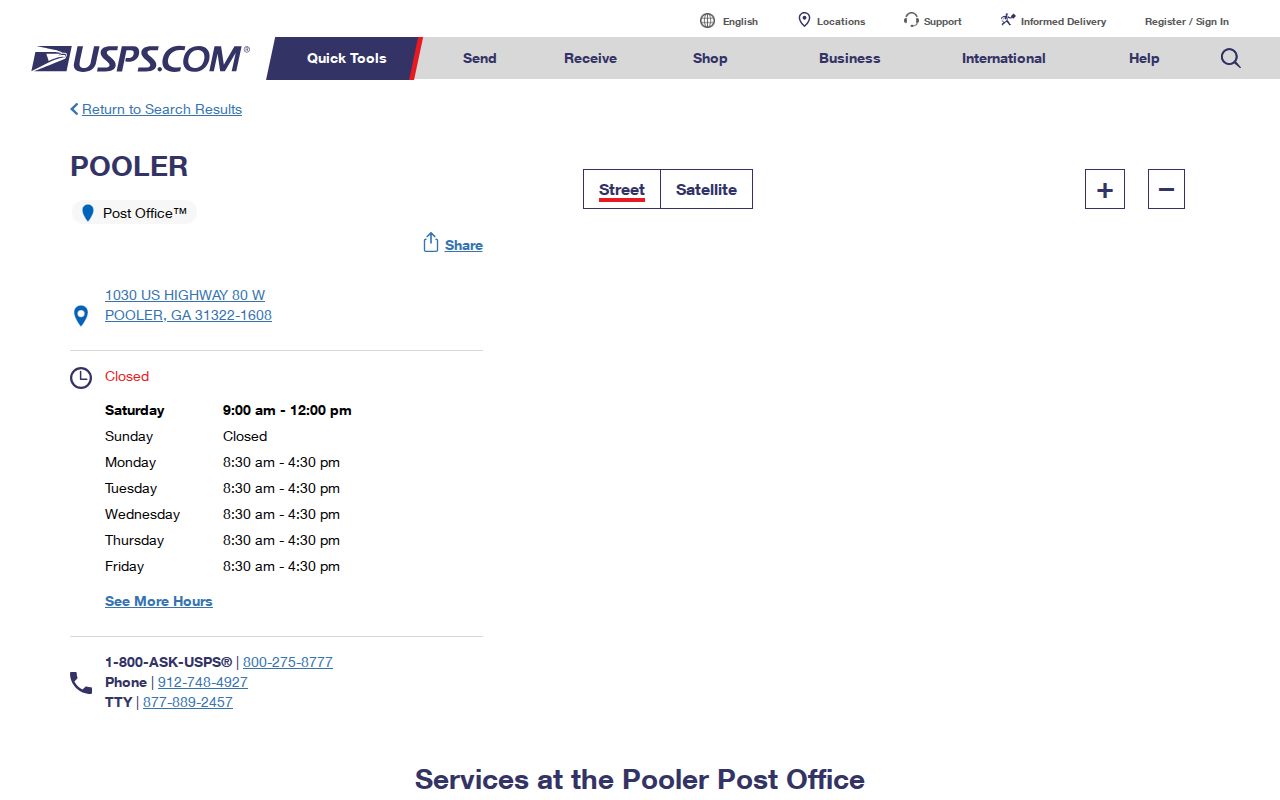
The station offers General Delivery and PO Box Online service. Retail hours run 8:30 a.m. to 4:30 p.m. Monday through Friday and 9 a.m. to noon Saturday, while PO-box access stays open around the clock Monday through Saturday. Confirm current hours with USPS before visiting.
Pooler ZIP Shift of 2015
USPS made its biggest local postal change effective July 1, 2015. According to the Postal Bulletin realignment notice, 2,660 deliveries shifted from Pooler, GA 31322 to Savannah, GA 31407.
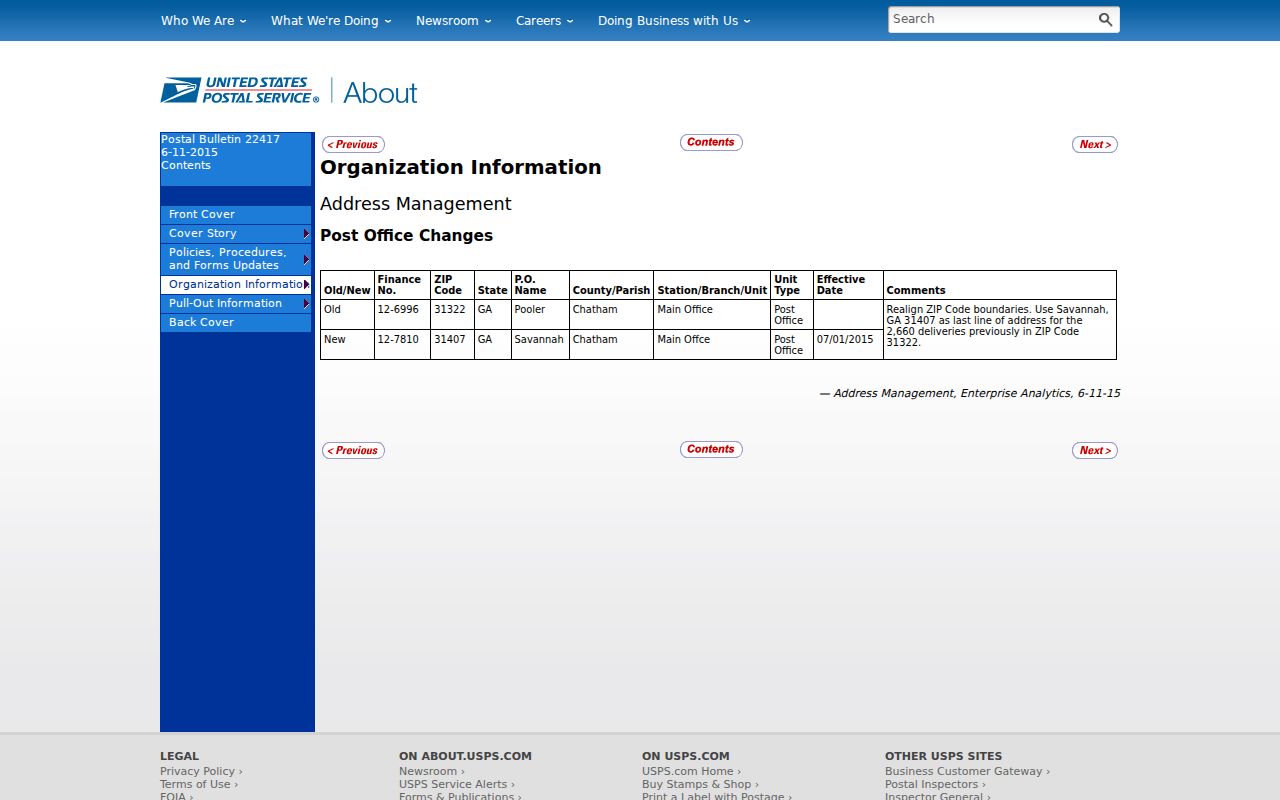
Treat the shift as a record-search trap. It is not proof that anyone moved. A 2014 deed can describe the same land under different postal last lines. A later parcel card can do the same. Compare the PIN, legal description, subdivision, lot, and plat reference. That settles whether the resident or the property truly changed. In sources that index the full address, search both the 31322 and 31407 forms.
Local note: A postal change can alter an address string while the parcel, city jurisdiction, and person connected with it remain the same.
Verify Pooler Mail and Jurisdiction
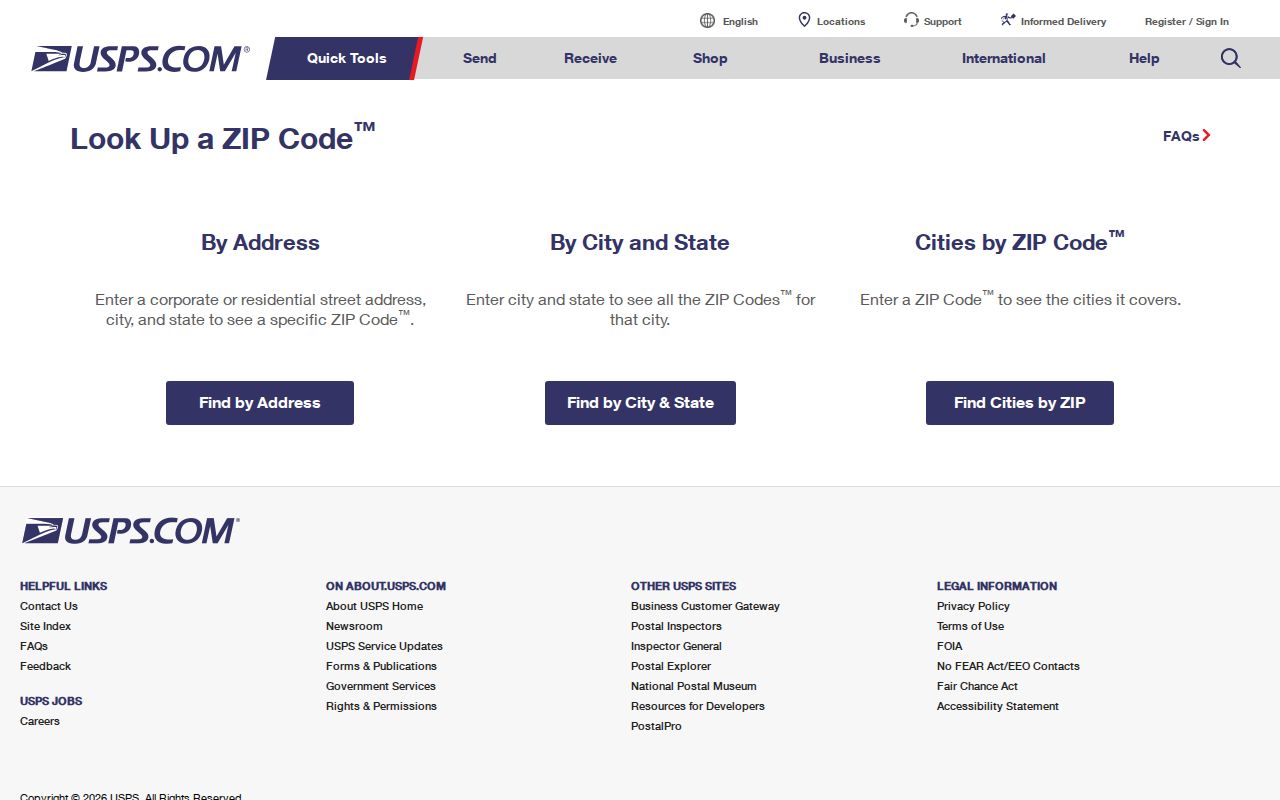
Two official systems are needed, because neither answers both questions. The USPS ZIP Code Lookup confirms how an address should be written for delivery.
Next, use SAGIS to locate the parcel and the city-boundary layer. USPS holds the authority on postal formatting, while Chatham parcel and GIS sources identify the mapped property and its jurisdiction. This split guards against a common mistake: reading "Pooler" on mail as legal proof that the city handles a permit, code case, or other municipal record.
| Known detail | Official tool | What it establishes |
|---|---|---|
| Full street address | USPS ZIP Lookup | Standardized mailing city, five-digit code, and ZIP+4 when available |
| Address, owner name, or PIN | SAGIS | Mapped parcel, neighboring parcels, and applicable boundary layers |
| Owner name, address, or PIN | Chatham assessor | Tax record card and official ownership/value data |
Pooler Growth Shapes ZIP Searches
The city's official overview describes Pooler near I-95 and I-16, roughly ten miles west of Savannah and within two miles of Savannah/Hilton Head International Airport.
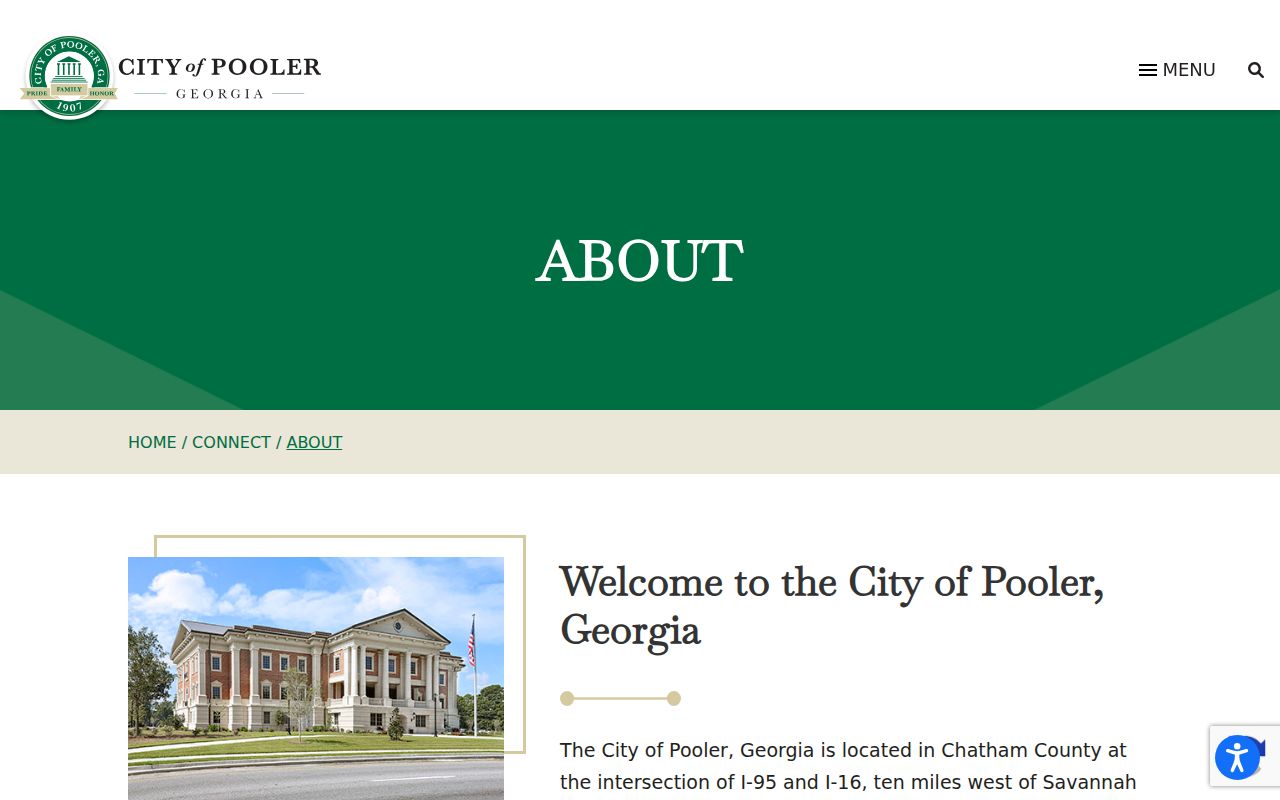
Pooler spans roughly 31 square miles and counts about 28,738 residents. Growth has been fast. Subdivisions and annexations keep pushing the edges outward. Parcel and planning layers therefore beat informal neighborhood labels for any address near a boundary. Modern development also postdates the newest public census. Current postal, parcel, deed, and municipal sources deserve more weight for present-day geography.
Subdivision names can help a person recognize an area. Recorded plats and mapped parcel boundaries stand as stronger evidence. Commercial corridors near the interstates and the airport add one more reason not to equate a mailing point with a household. A business, registered-agent, or owner mailing address may describe an association or a correspondence destination rather than a residence. Note the record type beside every address.
Find Pooler Residents by ZIP Code
No official portal offers a simple public list of everyone in one ZIP. SAGIS supports address, owner-name, and PIN searches, not a ZIP-only query. The Chatham assessor's advanced results or exports may expose postal fields. The official field inventory confirms no public ZIP filter. Georgia My Voter Page works as an identity-based self-lookup. It is not a way to browse a postal area. Paid voter-list products can be sorted after lawful purchase, subject to Georgia's rules.
- Enter the full address in USPS ZIP Lookup and save the standardized city, five-digit ZIP, and ZIP+4.
- Search that address in SAGIS. Record the Chatham PIN and test whether the parcel is inside Pooler's municipal layer.
- Open the assessor card by address or PIN. Keep the situs address separate from the owner's mailing address.
- If older evidence predates July 2015 near the shift area, repeat the search with both Pooler 31322 and Savannah 31407.
- Use a lawfully obtained voter product only within its stated rules; do not treat My Voter Page as a ZIP browser.
A street address is only the first step in a Pooler resident lookup. Once you know the right parcel, the Pooler street directory shows how to pull tax, deed, permit, and neighboring-parcel records tied to that land. Keep one caution in mind. A mailing address on a tax roll proves nothing about occupancy. The owner can receive notices elsewhere.
Counts work differently from addresses. Postal delivery totals, assessor parcels, voter rolls, and census figures each count a different group. The city publishes no current resident total by Pooler ZIP. That figure could stand in for its population. So avoid mixing datasets to force an estimate. Instead, note the source and its date whenever a count matters to your search.
Pooler PINs Outlast ZIP Changes
For tracking one property over time, a parcel identification number beats the displayed address. ZIP lines move; the PIN stays put. Pooler has no documented citywide quadrant grid, and no authoritative street-renumbering history exists either. A legal description offers another anchor, naming the subdivision, lot and block, plat book and page, or a metes-and-bounds tract. These details keep records linked even after a postal boundary shifts.
Keep the assessor's situs and mailing fields separate. Situs is the physical parcel. Mailing is where the tax bill travels. For legal title, the recorded deed held by the clerk is the controlling source. When two documents show different ZIP codes, compare PIN and legal description first, then the deed book and page. That approach holds up well across the 2015 realignment.
Save a dated copy or citation at every step. A current USPS result shows today's preferred mailing line, while an older deed preserves the address as it was written at recording. Never quietly rewrite one to match the other. Presenting both forms alongside the shared PIN or legal description explains the continuity without pretending the postal change affected ownership.
Pooler ZIP Codes vs City Limits
ZIP areas route mail. They do not draw city limits. Around Pooler's growth corridors, the word Pooler can mean the incorporated city, a postal last line, or a familiar local area, and each meaning points to a different records office. Check the Pooler boundary in SAGIS before requesting a permit or code record from the city. If the parcel sits outside the municipal line, start with the mapped jurisdiction and the Chatham County sources, even when the envelope still says Pooler.
This habit also prevents false negatives in a Pooler ZIP code directory search. A lookup limited to the modern Savannah 31407 form may miss an older item indexed as Pooler 31322, and a search stuck on the old line may miss current records. Run both verified forms, then compare the results against the same parcel. Two address strings do not always mean two places. At the opposite edge, resist adding 31302 or another nearby code unless USPS and the city layer both confirm that address.
- ZIP vs ZIP+4
- The five-digit ZIP identifies a broad delivery area. Four added digits narrow delivery to a smaller segment, such as one side of a block or a set of boxes.
- PO-box ZIP
- A code reserved mainly or wholly for post-office boxes. No separate Pooler PO-box-only ZIP was verified here.
- Unique ZIP
- A code assigned to one organization receiving very large mail volume. No Pooler unique ZIP was established by the official sources reviewed.
- Carrier route
- A group of delivery points assigned to a postal carrier. It serves mail operations and does not define a city, parcel, or neighborhood.
The rule is simple. Verify mail with USPS. Legal geography belongs to SAGIS. Tax identity belongs to the assessor. Title belongs to the recorded deed. Keeping those roles distinct keeps the Pooler ZIP code directory useful. That stops a delivery code from masquerading as a claim about residence or jurisdiction.
For family notes or address-history work, log the date each source was checked. Postal routes, annexations, and displayed parcel fields all change over time. A dated log preserves exactly what each record showed. Later differences can then be explained rather than guessed at.