
Pooler Resident Record Choices
No single roll proves every fact about a person. A Pooler resident lookup works best when the first source matches the question. The Chatham County assessor is useful when a current Pooler parcel or owner is known. A deed names legal parties to a transfer. A court docket shows a person's role in a public case, while probate files can document a decedent, heirs, fiduciaries, and service addresses. Each is evidence of a specific event, not a complete personal profile.
| Record | Fact It Can Confirm | Official Keeper | Access Route |
|---|---|---|---|
| Parcel card | Owner, situs, tax mailing address, parcel ID | Chatham Board of Assessors | Free online search |
| Deed record | Legal parties, transfer date, book/page | Superior Court clerk | GSCCCA index or clerk copy |
| Court docket | Case, party role, filing date, status | Relevant court clerk | re:SearchGA, counter, or mail |
| Probate file | Estate roles and supported family ties | Chatham Probate Court | Online records or record room |
| Voter record | One voter's own status and districts | Registrar or Secretary of State | Authenticated self-lookup |
| Vital record | Birth, death, marriage, or divorce event | Health department, DPH, or court | Eligibility-controlled request |
Start with the narrowest fact already known. A name plus parcel points to the assessor and deeds. A case number goes straight to its court. A marriage or estate question belongs with Probate Court. Business and professional records can confirm an affiliation, but an office or registered-agent address does not establish a Pooler home.
Search Pooler Court Names Carefully
re:SearchGA Citizens supports a Chatham-focused search by location, case number, party or business name, individual name parts, filing-date range, and case type. Pooler Municipal Court handles city ordinance and traffic matters, while Chatham courts divide civil, criminal, probate, and other work by jurisdiction. Search the court that would hold the record instead of assuming one portal has every case.
A common surname can produce several people. Compare the middle name or initial, filing date, party role, and any linked parcel or business. A public result may show the case number, court, case type, filing date, names and roles, docket events, status, and public document links. Sealed files, adoption matters, confidential juvenile material, and protected identifiers do not appear.
The official Georgia offender tools shown below illustrate why each search must stay in its proper lane. The Department of Corrections query covers state correctional records, while the GBI registry is governed by its own rules.
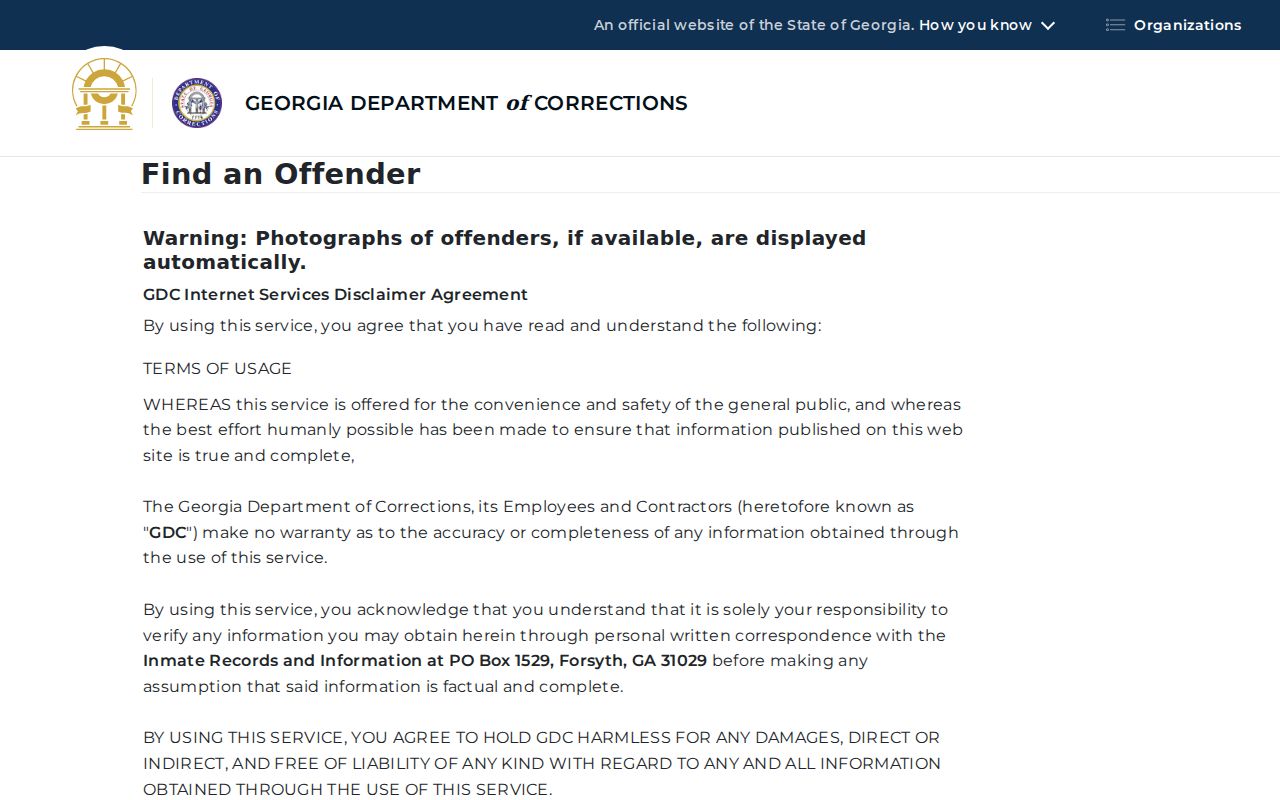
The separate forms do not replace a court file or establish that two similar names identify the same person.
The GBI's official registry page provides the source for the second specialized search.
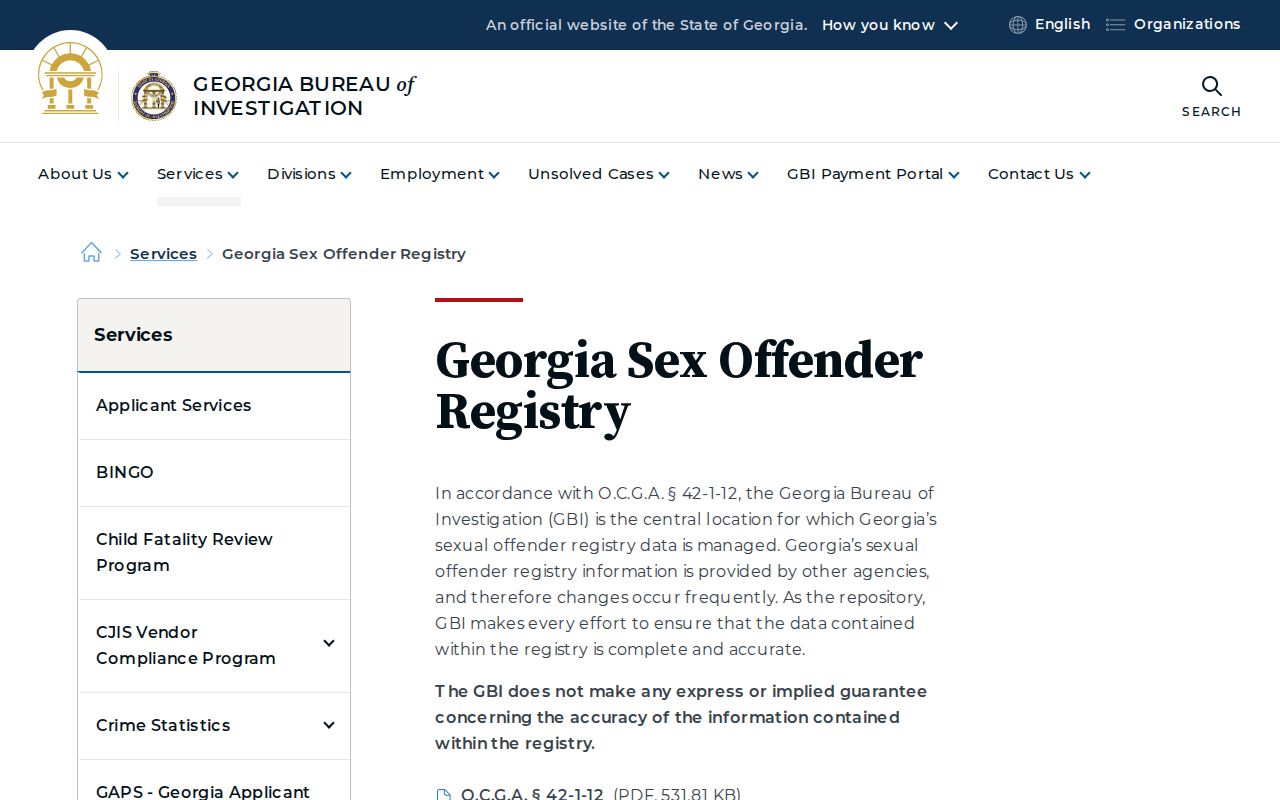
Use registry information only within the limits stated by Georgia law, then verify the exact identity and record with the responsible agency.
Note: Georgia calls eligible criminal-history suppression “record restriction,” which does not mean every related court file has been destroyed.
Verify One Pooler Resident
Names change, initials vanish, and tax addresses can point somewhere else. Preserve suffixes, former surnames, spelling variants, and every middle initial before searching. Then build a short chain of official evidence.
- Search the Chatham Board of Assessors by owner name when a Pooler property is suspected. Separate the parcel's physical, or situs, address from the owner's tax mailing address.
- Use the owner and parcel details in the Chatham deed index. Compare the sale date, legal description, and names on the recorded instrument rather than relying only on an index line.
- Run the name and its variants in the right court portal. Match chronology, party role, parcel, business, or family facts before treating a hit as the same Pooler resident.
- Use a probate, marriage, or vital record only when its access rule permits it. Order a certified copy from the custodian when legal proof is needed.
- Docket
- The court's running list of filings, events, and orders in one case.
- Index and image
- An index points to a record; the image contains the filed document and fuller detail.
- Certified copy
- A custodian-issued copy formally attested as a true copy of the record held.
- Situs address
- The physical location of a parcel, which may differ from the owner's mailing address.
Pooler Heir Searches Use Probate
An estate or heir matter calls for a focused probate search, not a general people finder. Georgia Probate Records exposes available probate and marriage material, and the Chatham Probate Court record room handles research and copies. Estate pleadings may name a decedent, heir, beneficiary, fiduciary, or service address when those facts are part of the public file.
Chatham Probate Court has an unusually specific option: in an estate matter, staff may use its TLO/TransUnion service to seek current contact information for an heir if adequate identifying information is supplied. That is a narrow official process, not open-ended resident research. The Probate Court record-room page gives the proper access and copy channels.
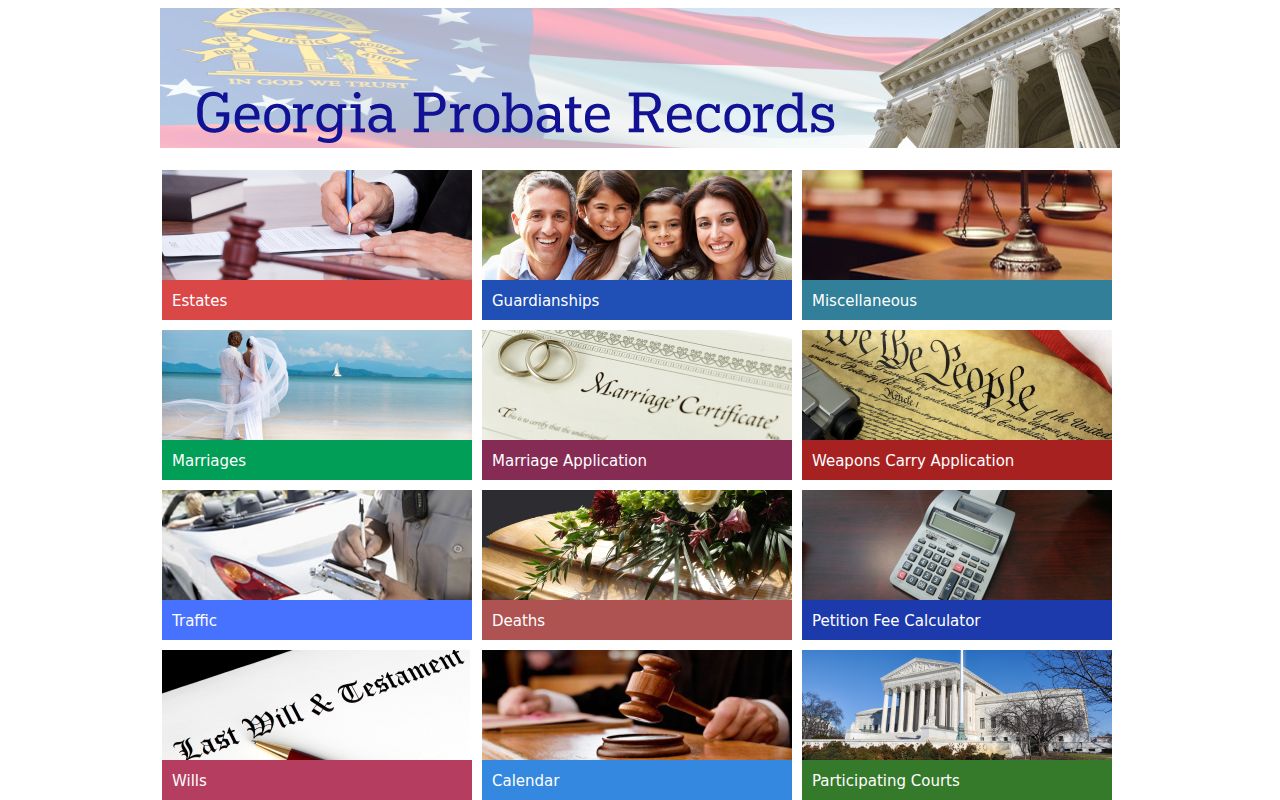
The portal is a starting index. A court-stamped or certified copy must still come from the custodian.
Confirm Pooler Vital Events
Vital records have stricter rules than parcel or court indexes. The Chatham County Health Department and Georgia DPH issue birth and death certificates. Chatham Probate Court keeps county marriage records, while DPH holds marriage records from 1952 through 1996. A divorce decree comes from Superior Court; DPH supplies a verification rather than the full decree.
Birth certificates are confidential under Georgia law. Eligible requesters include the registrant, immediate family, or a legal representative with identification. State birth and death holdings begin in January 1919. A plain-paper birth record becomes available to any person only after the birth is more than 100 years old. Georgia treats death certificates as open records, though certified and cause-of-death access can be narrower.
For a resident lookup tied to adoption, do not try to defeat a sealed file. Since July 1, 2025, Andee's Law lets a Georgia-born adoptee age 18 or older request an uncertified original pre-adoption birth certificate. Certain relatives may qualify after a deceased adoptee when they supply the required identity, death, and relationship proof.
Check Pooler Resident Affiliations
The Georgia Business Search can return entity status, formation data, principal office, registered agent, officers, and filing history. The professional license verifier searches by profession, board, license number, name, business name, city, or state. These sources help distinguish two people with the same name and verify a claimed public credential.
Read address fields with care. A principal office, registered-agent location, or licensing address records a business tie. It does not prove residence. Chatham trade-name filings and Pooler business-registration records may add a local link, but the same limit applies. Use them as corroboration beside a parcel, deed, probate, or court record.
The Georgia Felon Search is another specialized product. It requires first and last name, date of birth, and sex, and the state quotes $15 for each selected possible record or no-record search. The agency warns that only fingerprints establish an exact identity.
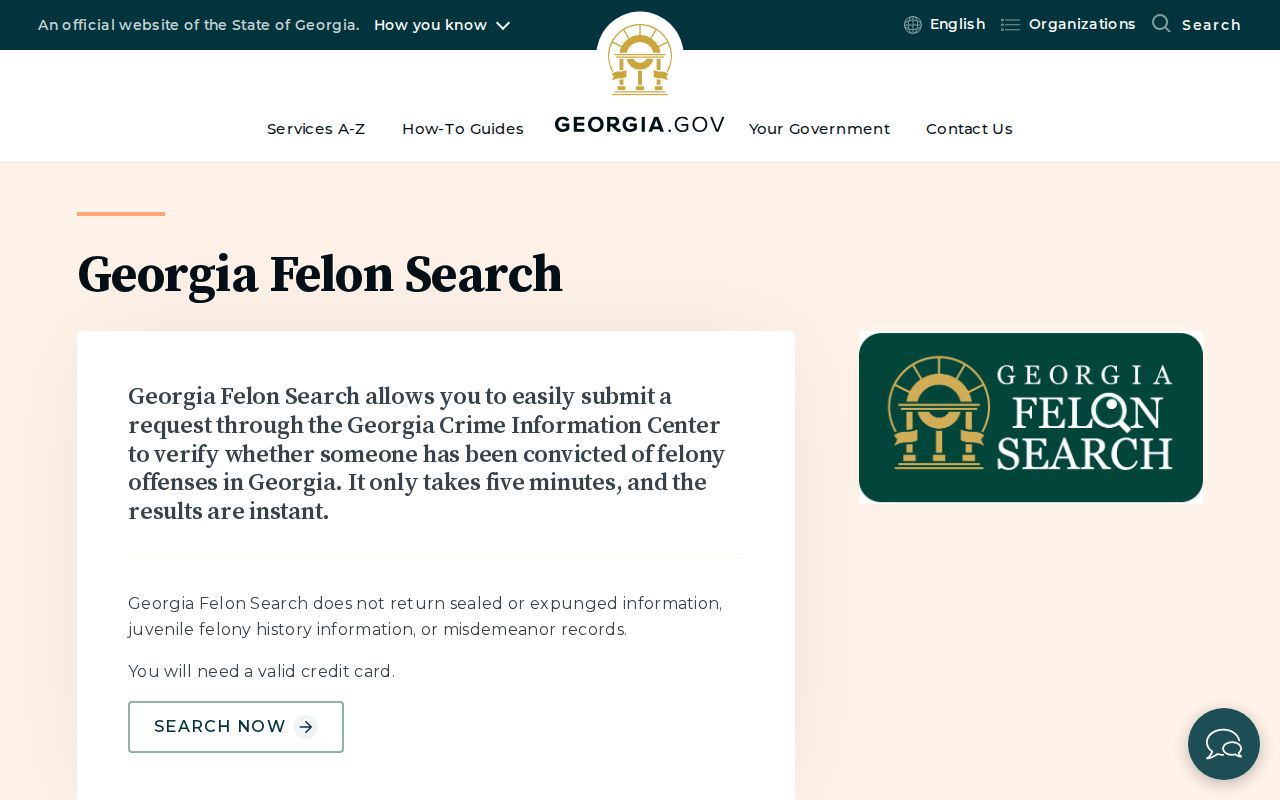
A paid name result is not a substitute for fingerprint confirmation or the original court record.
Pooler Lookup Access Fallbacks
When an online search fails, switch channels. Chatham's Civil Division accepts a mailed records request at P.O. Box 10227, Savannah, GA 31412, and walk-in requests at 400 W. Oglethorpe Avenue, Suite 178. Staff asks callers to establish copy cost first. Public terminals at the Garden City Records Center cover more recent court and real-estate material; older physical files require an appointment.
A narrow request for an existing record, index, or export can also use the Georgia Open Records Act. The agency must respond or provide a written timetable and cost estimate within three business days. Ask for a defined record by person, date, case, or address. An office need not create a custom residents directory or conduct identity research.
Correct errors where they began. Ownership issues go to the Board of Assessors, registration data to the registrar or My Voter Page process, criminal-history errors to GCIC, and vital amendments to DPH. A commercial compilation may lag or merge people with similar names, so the official custodian remains the final check.
Keep a brief search log with the exact name entered, portal, date, filters, and record citation. That makes a later Pooler resident lookup easier to repeat and helps explain why two sources disagree. Save a book and page, case number, parcel PIN, or certificate request number instead of relying on a screen capture alone. Official rolls change on different schedules, so the newest date on each record matters.
Lawful Pooler Resident Lookup
Public access does not erase privacy rules. Georgia records redact Social Security numbers, financial and medical details, parts of birth dates, and certain home or contact information. Safe at Home supplies a substitute address for eligible survivors. Voter files also omit protected identity fields and confidentiality-program information. A missing result can reflect a restriction, a name change, timing, or the wrong custodian.
Use a Pooler resident lookup for lawful personal work such as family history, reconnecting, estate research, scam avoidance, or checking a public credential. Georgia's stalking, aggravated-stalking, and harassing-communications laws apply even when a fact was obtained from an open record.
Lawful use. Never use resident records to track, threaten, intimidate, or harass a person. Verify uncertain facts with the official custodian.