
Pooler Neighbors by Block
Public records describe a block in layers. The parcel map establishes which lots actually touch. The assessor names an owner and shows where tax notices go. A voter file can identify registered electors at an address when obtained and used under Georgia rules. Permits, plats, and association records describe changes and community boundaries. None is a complete household roll.
| Block Source | What It Reveals Nearby | How to Access It |
|---|---|---|
| SAGIS parcel clicks | Lot shape, parcel ID, owner/report link, district layers | Free viewer after disclaimer |
| Assessor card | Assessed owner, situs, mailing address, property facts | Free county portal |
| Voter file | Registered electors sorted near an address | Ordered file, protected fields removed |
| Permit or code file | Work, applicant, contractor, and case chronology | City portal or records request |
| HOA and plat records | Corporate officers, covenants, subdivision boundary | SOS filings, clerk plats, planning files |
| Reverse directory | Historic adults or phone subscribers by address | Library or archive collection |
The key distinction is ownership versus occupancy. A tax card proves who the county assesses as owner. Its mailing address shows where the bill goes. Even a homestead clue does not list every person living there, and a voter roll omits nonvoters, minors, and protected participants.
Click Around Pooler Parcels
SAGIS Viewer 2.1 is the practical map for immediate Pooler neighbors. Search one address, then zoom until parcel outlines are clear. There is no verified public radius or buffer owner-search control, so map browsing and parcel selection are the sound method.
- Find the target by address, owner name, or parcel identification number, called a PIN. Confirm the municipality and street before moving outward.
- Click every polygon that touches the target. Include lots behind it, parcels across the street, and corner lots whose situs may use the cross street.
- Open each one-click property report or right-click Property Report. Record the PIN, owner link, subdivision or lot, and district context.
- Check the assessor card for the authoritative tax roll. Keep the physical situs apart from the owner's mailing address.
The 2026 viewer adds a responsive layout, consolidated search, one-click reports, intersecting planning features, right-click mailing labels, and current parcel-digest data. SAGIS still warns that its geometry is approximate planning data, not a guaranteed survey or title opinion. The assessor is the tax authority, and the clerk's deed is the legal title record.
For a full named-road chain rather than the few lots around one point, use the Pooler street directory.
Pooler Neighbors and Tax Mail
A parcel may have a Pooler situs and a Savannah, out-of-state, or post-office-box tax mailing address. That often means the owner receives notices elsewhere. It does not say who sleeps at the property. This mailing-address trap is especially important around a fast-growing city where new subdivisions, investors, estates, and businesses may appear on the tax roll.
Compare the card's situs, owner name, mailing address, sale date, deed reference, and any exemption clue. If the deed is needed, use the parcel's legal description and owner in the Chatham/GSCCCA index. Do not convert the deed's return address into a resident claim. A deed establishes parties and land, not a current household roster.
Three-source rule. SAGIS supplies the map, the assessor card supplies the tax record, and the recorded deed supplies title evidence.
Voter Data Near Pooler Neighbors
Georgia My Voter Page is an identity-based self-lookup. It asks for a first initial, last name, county, and date of birth. A match can show registration status, precinct context, polling place, districts, sample ballot, and absentee status. It cannot browse everyone on a street or block.
For lawful block sorting, the Secretary of State sells voter-registration products under O.C.G.A. §§21-2-225 and 21-2-234. A purchased file may include name, residence or mailing address, county or precinct, registration data, districts, and participation history. It never reveals ballot choices, and Georgia does not register voters by party. Social Security numbers, identity numbers, full birth dates, and Safe at Home details are withheld.
The Chatham Board of Registrars maintains the county list and handles its records channel.
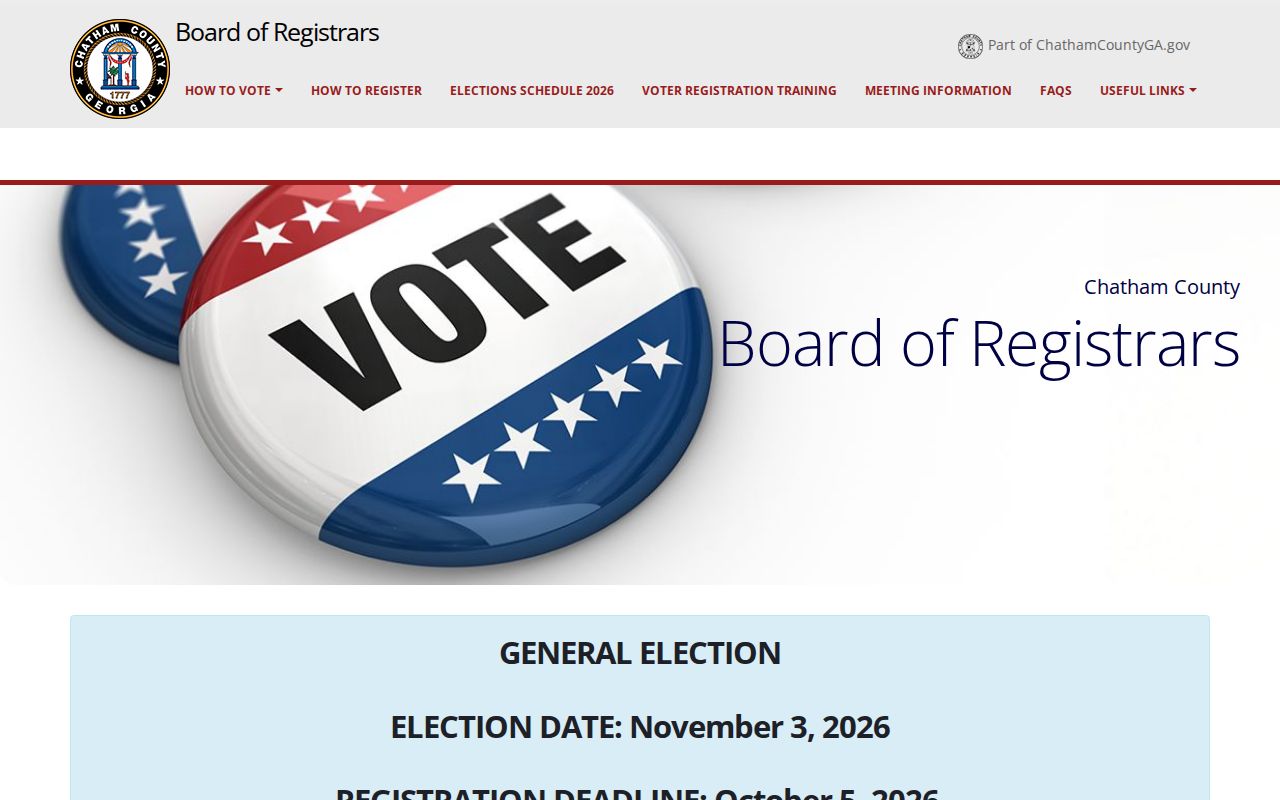
The office directs open-records users to Chatham's request system and reported 233,741 registered voters countywide on April 23, 2026. That county total should not be mistaken for a Pooler population count.
Identify Pooler Community Boundaries
Pooler has many named subdivisions and homeowners associations, but research found no authoritative citywide directory of public member lists. A subdivision name used by neighbors may not match a legal boundary. Recorded plats, declarations and covenants, Secretary of State corporate filings, and city planning cases are stronger sources.
| Need | Best Official Record | What to Expect |
|---|---|---|
| Subdivision edge | Recorded plat and SAGIS parcel layer | Lots, blocks, streets, and recorded boundary |
| HOA identity | Georgia corporation filing | Entity status, agent, officers, filing history |
| Covenants | Superior Court real-estate records | Recorded declaration and amendments |
| Recent change | Pooler planning or permit file | Application, plan, hearing, or work chronology |
Publish only official business and contact details. An HOA member roster, congregation list, neighborhood-watch file, or club list is generally private unless the organization itself makes it public. A corporate agent's address is also not proof that the agent lives in the neighborhood.
Pooler Block Geography Matters
Postal names and city lines diverge near Pooler's edges. The 31322 ZIP is a mail route, not the municipal boundary, and a nearby postal address may say Savannah or Bloomingdale. SAGIS municipality and district layers are the quickest way to check whether a parcel is actually in Pooler and which public bodies serve it.
Parcel identity is more stable than the displayed address. Save the PIN and legal lot description when comparing a tax card, deed, plat, permit, or older directory. For a corner parcel, the house number may face a different street from the legal block being studied. Rear lot lines can also put apparent neighbors in separate subdivisions.
Planning and permit files add context without proving who lives there. They can show an applicant, contractor, project, inspection, or code chronology. Use Pooler's city records channel for municipal files and Chatham's channel for county-created material.
Request Missing Pooler Block Records
The Chatham JustFOIA portal is the fallback for a defined county record not exposed online. Choose a county open-records request and describe an existing item by address, parcel, date, department, or case. Georgia's Open Records Act calls for a response or written timetable and cost estimate within three business days.
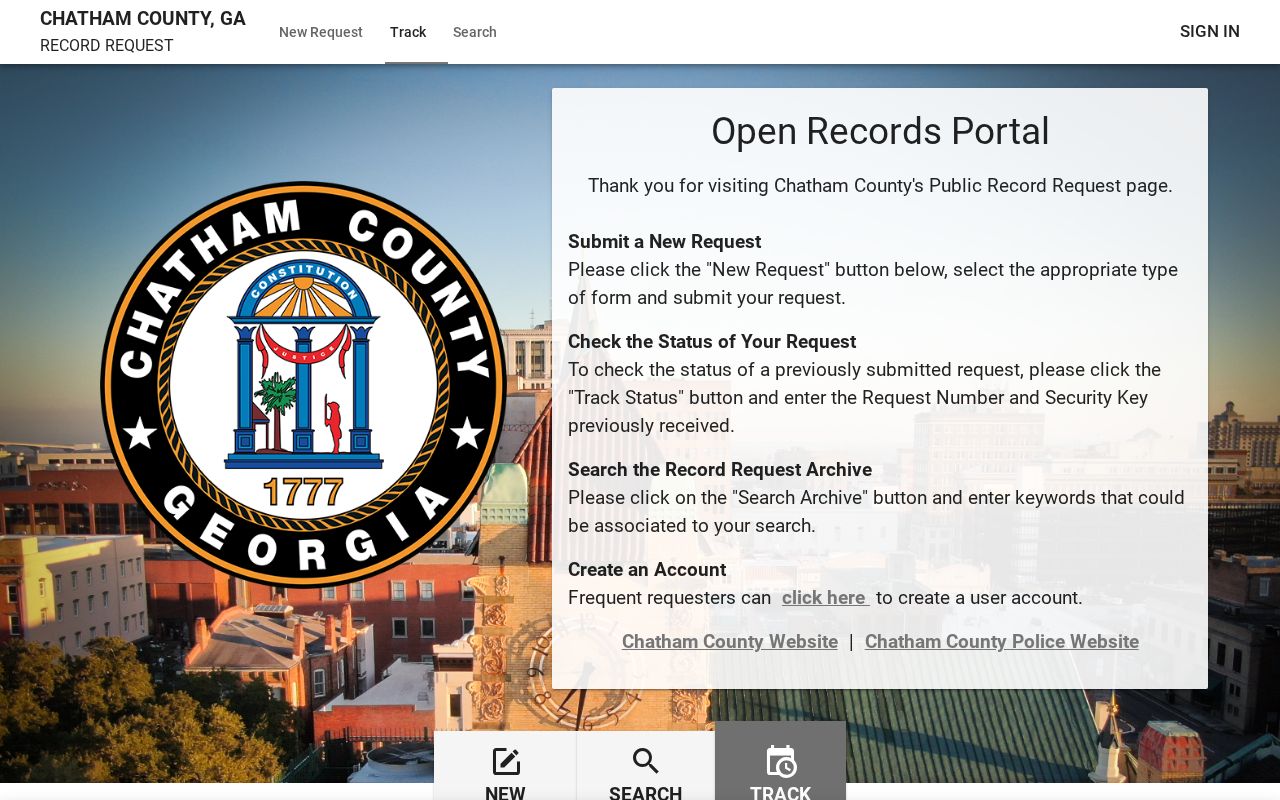
The portal tracks a request, but it does not require staff to create a new block directory or answer an open-ended question about neighbors.
For Pooler permits and code files, request the city-created record from Pooler's own custodian. Ask for a permit, inspection, case, or plan tied to a defined property. Utility customer details, DMV addresses, police intelligence, and protected personal information are not public substitutes for a neighbor list.
Official Pooler Neighbor Evidence
Commercial neighbor-lookup products compile data from many sources. They may be fast, but records can lag, merge two people, or preserve an obsolete address. Official sources are narrower and usually require more steps, yet each has a known custodian and a correction path.
| Choice | Strength | Main Limit |
|---|---|---|
| Official parcel and tax records | Current assessed parcel and owner evidence | Does not list occupants |
| Official voter or permit record | Defined fields and legal access rules | Partial population or purpose |
| Commercial compilation | Broad name and address leads | May be stale, merged, or unsupported |
Confirm any important fact at the source. If a government record is wrong, send the correction to its keeper: ownership to the assessor, voter details to the registrar, and municipal file issues to the Pooler department that created them.
Safety Records Are Separate
The Chatham Sheriff's inmate search is an official custody tool, not a map of Pooler households.
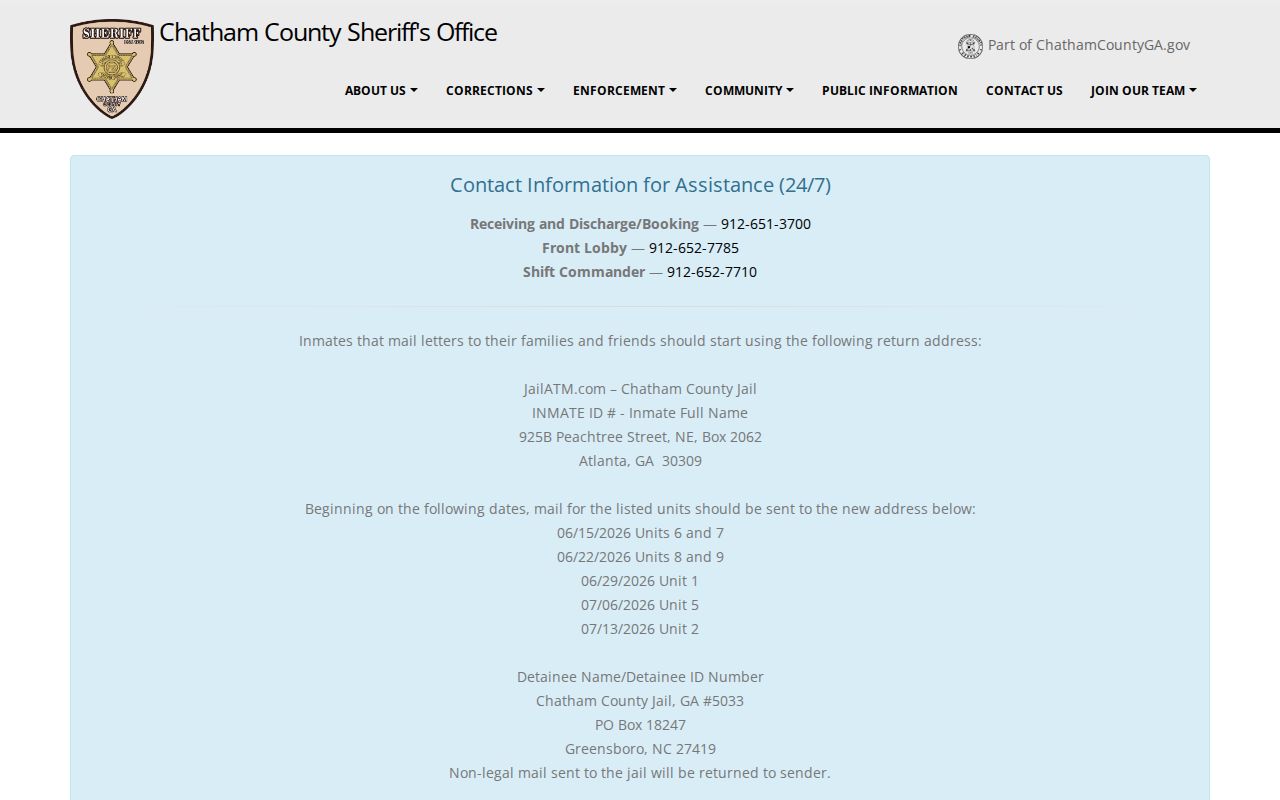
A custody result covers a particular record and time. It does not prove a present home address or identify other people on a block.
Respect Pooler Neighbors' Privacy
Public records omit much of ordinary household life. Renters, children, nonvoters, guests, and family members may never appear. Georgia redacts Social Security numbers, financial and medical details, parts of birth dates, and protected home information. Safe at Home provides a substitute mailing address for eligible survivors of domestic violence, stalking, human trafficking, and sexual assault.
Use block records for civic curiosity, family research, reconnecting, property history, or personal safety awareness. Do not watch, threaten, or intimidate anyone. Georgia stalking, aggravated-stalking, and harassing-communications laws still apply when the starting fact came from a public database.
Record dates matter. A parcel sale can make an assessor card lag a deed, and a permit applicant may have no tie to the current owner. Voter status can also change after list maintenance or a move. When Pooler neighbor records conflict, note the date and purpose of each source, then ask the responsible custodian which roll is current. Never fill a gap with a guess about an occupant.
A respectful block search stops once the lawful personal question is answered. Extra collection creates more risk without making the core record more reliable.
Lawful use. Respect closed records and protected addresses. Contact emergency services for an immediate threat instead of conducting personal surveillance.