
Start a Pooler Residents Search
Where you start depends on what you already know. An address sends you to the Chatham County property roll and the SAGIS parcel map. A name can be tested against ownership, recorded deeds, court parties, business filings, and licensed occupations. An older address belongs in regional directories, census schedules, deeds, and probate files. No single roll lists every Pooler resident. Renters, children, and recent arrivals often go missing from an open index. So do people whose addresses are protected.
Keep each result in its proper role. The assessor names the taxpayer and parcel. The clerk's deed is the legal title record. A court index proves a person was named in a case, not how it ended. Georgia My Voter Page is an identity-based self-service search, not a public street browser for Pooler.
- Search the Chatham assessor by owner, property address, or parcel identifier.
- Use SAGIS to confirm the parcel, municipality, and nearby geography.
- Carry the owner's name and deed reference into the clerk or GSCCCA index.
- Check the proper court, probate, vital, business, or license source for the question.
- Request an existing city or county record when no public portal provides it.
Pooler Resident Record Keepers
Pooler is not the Chatham County seat. It has no separate deed recorder or assessor. That division shapes every search. The county Board of Assessors maintains tax ownership, the Clerk of Superior Court records deeds and many court files, and the Board of Registrars handles voter rolls. Pooler's own clerk keeps municipal material such as council records, permits, and code files. The Pooler street directory workflow explains how those sources connect by address.
Chatham Board of Assessors
222 W. Oglethorpe Avenue
Savannah, GA 31401
912-652-7271
Pooler Parcels Start in SAGIS
SAGIS is the most useful map view when a Pooler address starts the search. The search accepts an address, owner name, or PIN. The PIN is the parcel identification number. Clicking a parcel opens a property report. It also shows intersecting planning features, and it supplies the boundary and location context the assessor card lacks. The assessor card remains the authority on ownership and value.
| Search control | Input | Use |
|---|---|---|
| Address, Name or PIN | Text or autocomplete | Find a specific parcel |
| Map click | Parcel selection | Open the property report |
| Layers and legend | Map choices | Check city and district lines |
| Right click | Map interaction | Open reports or mailing labels |
The Chatham assessor gateway is the county entry point for moving from a mapped parcel to the official tax record. Its search tools stand behind the county assessment rolls.
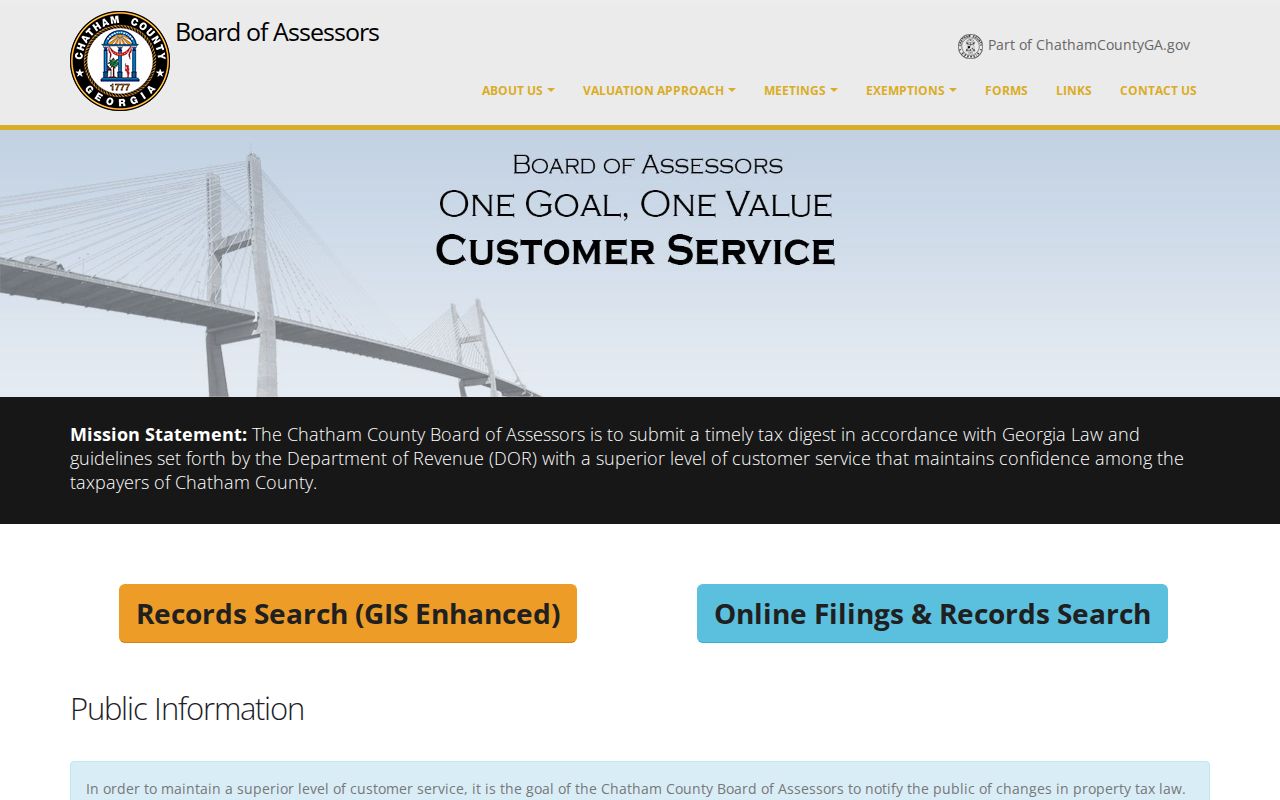
One card can hold two addresses, the situs where the parcel sits and the mailing address used for tax notices. Neither field alone proves who sleeps at the address.
Current Pooler Resident Sources
Each official source acts like a narrow directory. No two cover the same residents. A sound Pooler residents directory search uses the source that records the relevant event, then checks names, dates, and addresses against a second source.
| Official source | People represented | Useful evidence | Access |
|---|---|---|---|
| Property roll | Parcel owners | Situs, mailing address, PIN, deed cues | Free online |
| Deed index | Grantors and grantees | Instrument, date, book and page | Online and record center |
| Court party search | Named case parties | Case, role, filing, docket | Public categories online |
| My Voter Page | The authenticated voter | Status, districts, polling place | Identity fields required |
| City records | Applicants and named parties | Permits, cases, council records | Portal or request |
The city's department directory names the right municipal custodian and direct lines for records, permits, code enforcement, police reports, taxes, and cemetery administration. One call to the right office saves a trip.
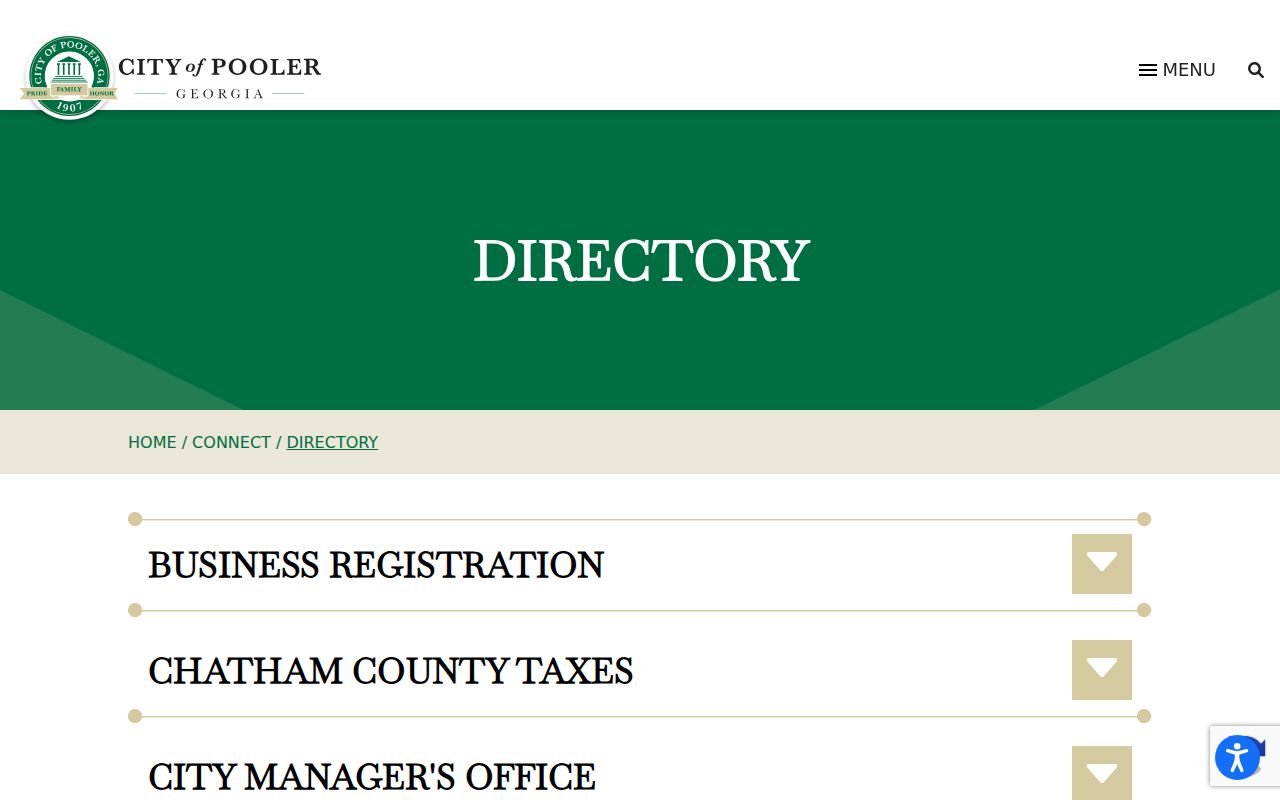
Those listings cover public staff contacts. They form no household roll of Pooler residents and should never be treated as one.
Pooler Deeds Link Names
Real-estate records tie a name to a recorded transaction. Search the buyer as grantee, the recipient of an interest. Search the seller as grantor, the party conveying it. Results may show instrument type, recording date, book and page, legal description, and image access. The current owner's assessor card often supplies the first deed clue.
The Chatham real-estate FAQ explains the free in-office search. It also covers the current copy channel for deed copies.
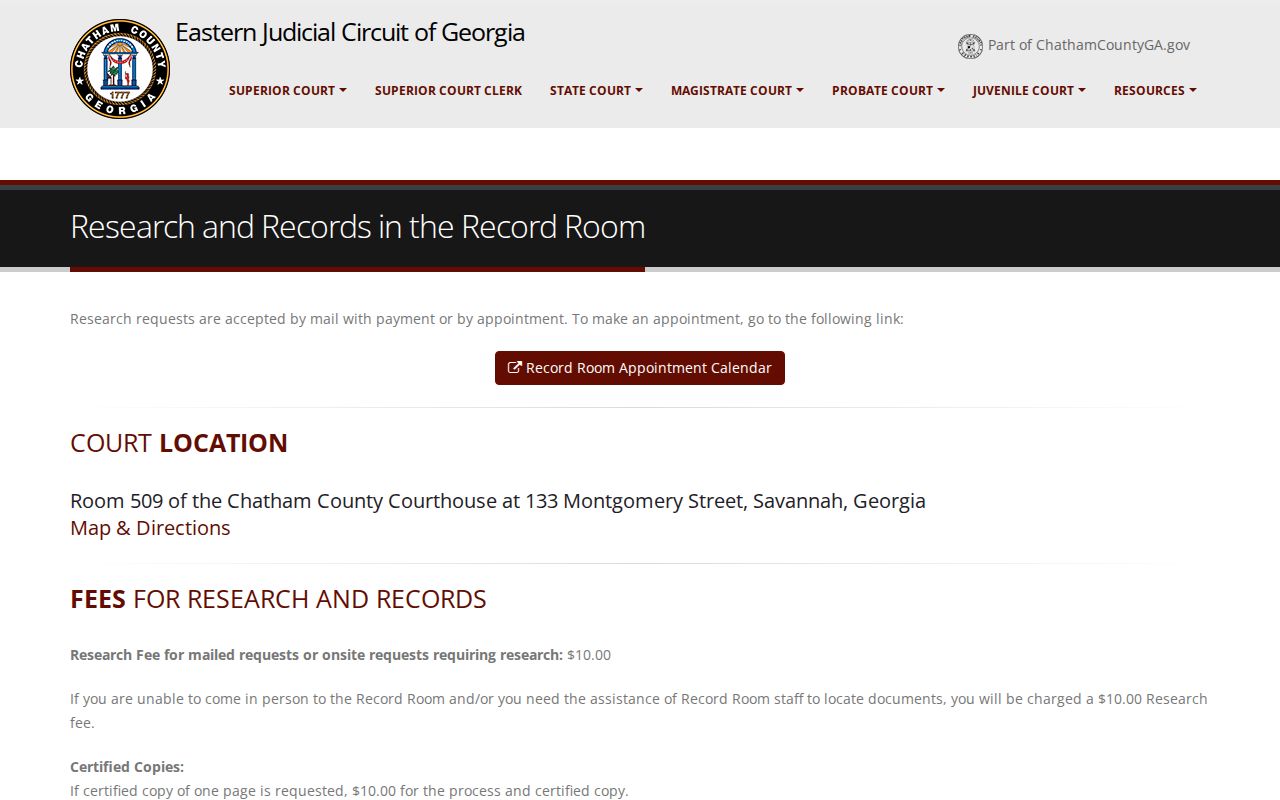
When the online trail ends, older deed books, plats, maps, and microfilm continue at the Garden City Records Center. The paper trail runs deep.
Pooler Court Names Need Proof
re:SearchGA opens Chatham civil and other participating public case categories to search by court location, case number, party or business name, filing dates, and case type. A docket is the running list of case filings. It proves participation, not identity. Two same-name people stay two people. The re:SearchGA citizen portal is the county clerk's online path for recent material.
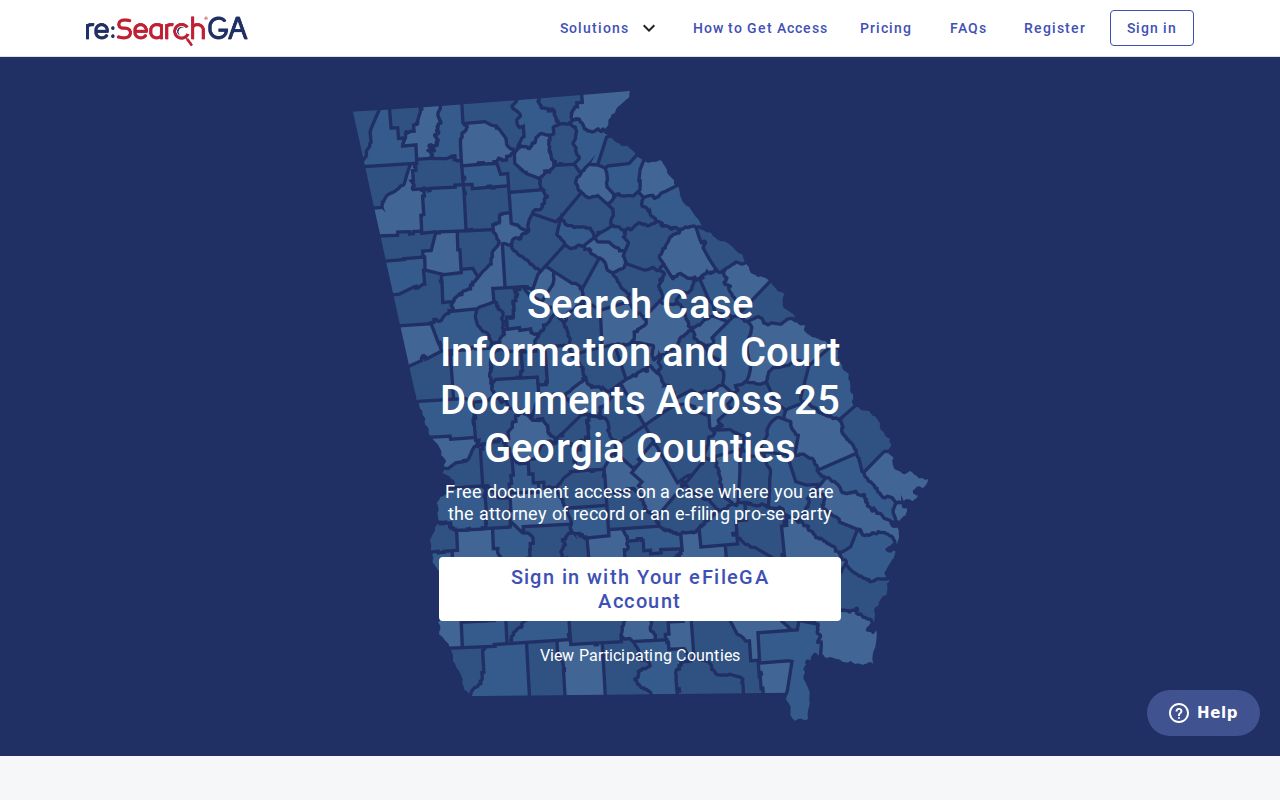
Check the middle initial, party role, filing date, address-linked property, and business filings before accepting a match. Sealed records stay sealed.
Pooler Voter Records Are Limited
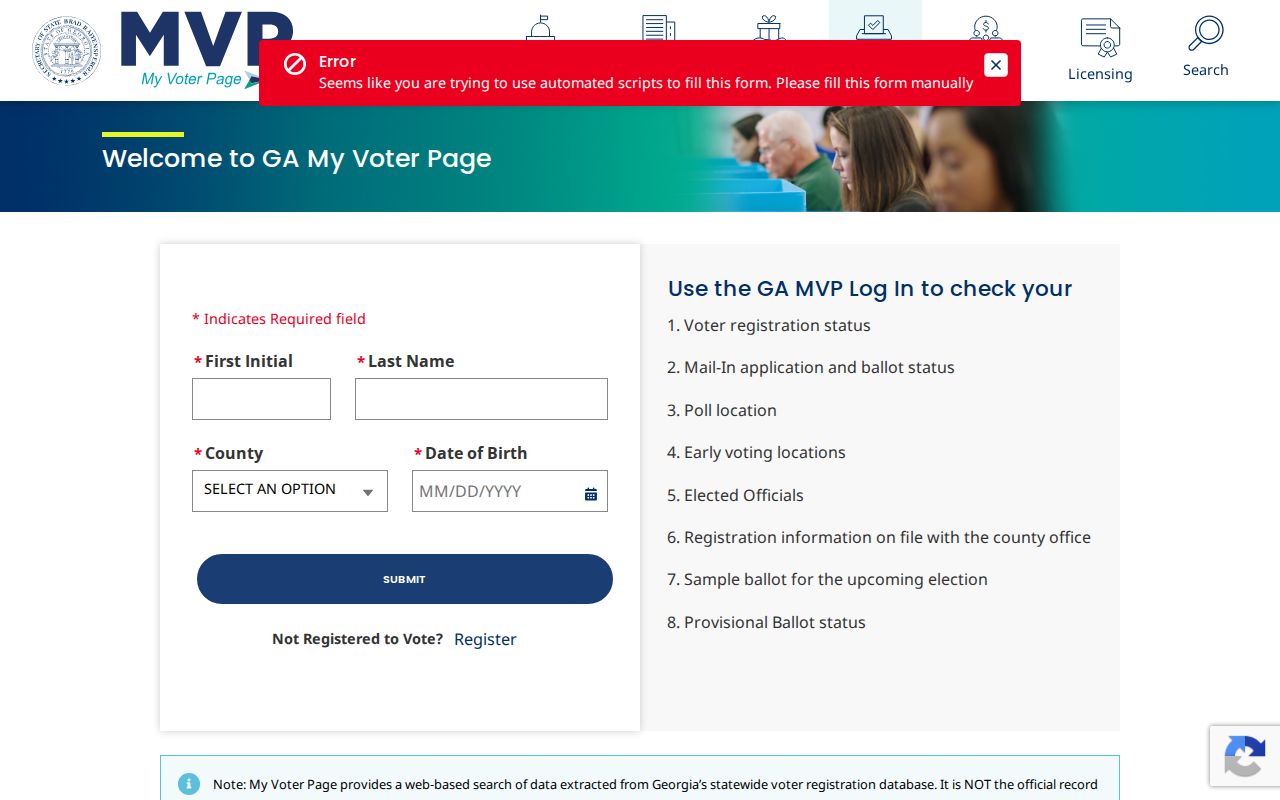
Georgia My Voter Page asks for a first initial, last name, county, and date of birth. A known identity is required from the start. A match can return registration status, district and polling information, sample ballots, and absentee status. The page serves the voter's own registration. It is no resident roll for block browsing. The official My Voter Page form makes the requirement plain.
Georgia also sells voter-list products under state law. Protected data is withheld, statutory use limits apply, and voting history records participation, never ballot choices.
Pooler Vital Records Split Custody
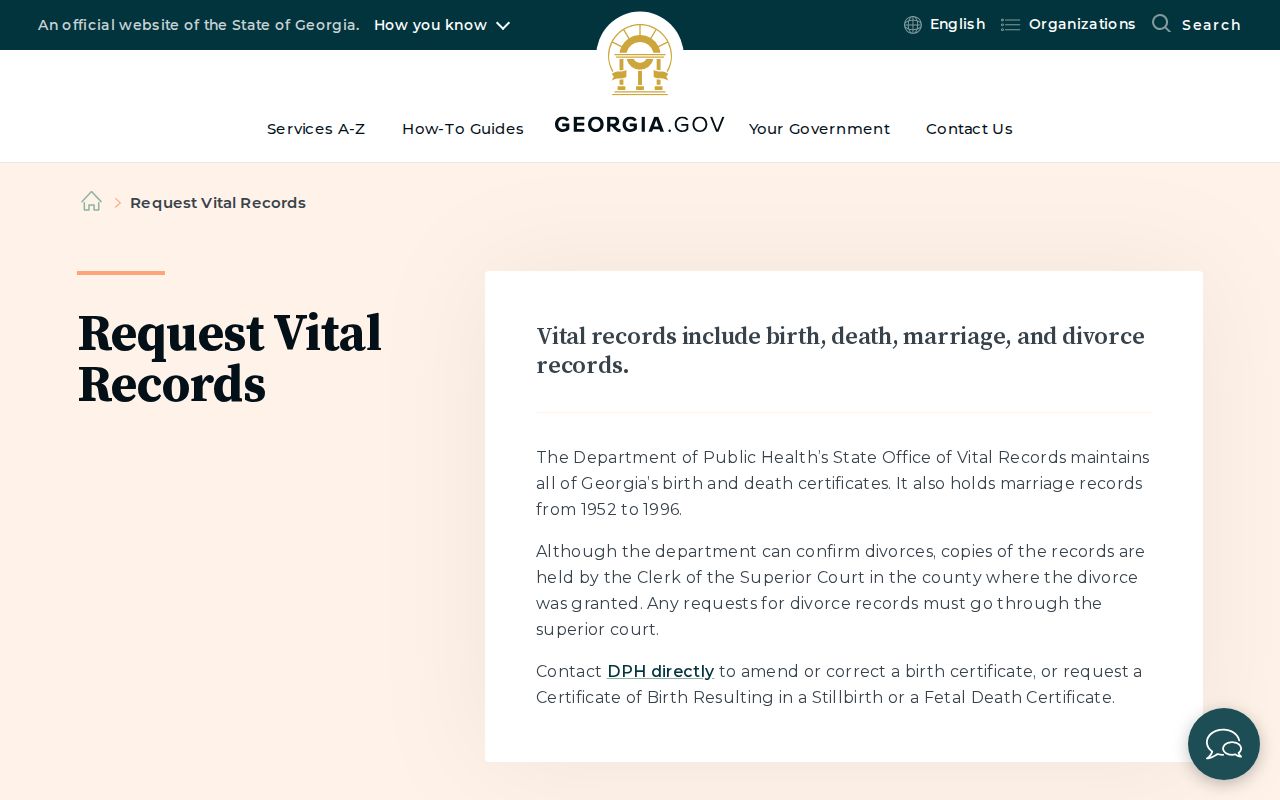
Birth and death certificates route through the Chatham County Health Department or the state public health office. Chatham Probate Court keeps county marriage material. The state holds marriage records for 1952 through 1996. Divorce decrees come from Superior Court. The Georgia vital-record request page sets out the identity, relationship, fee, and ordering rules.
Birth certificates stay controlled records. Historical access differs, and a recent certificate order is not an open resident lookup for Pooler.
Pooler Requests Fill Portal Gaps
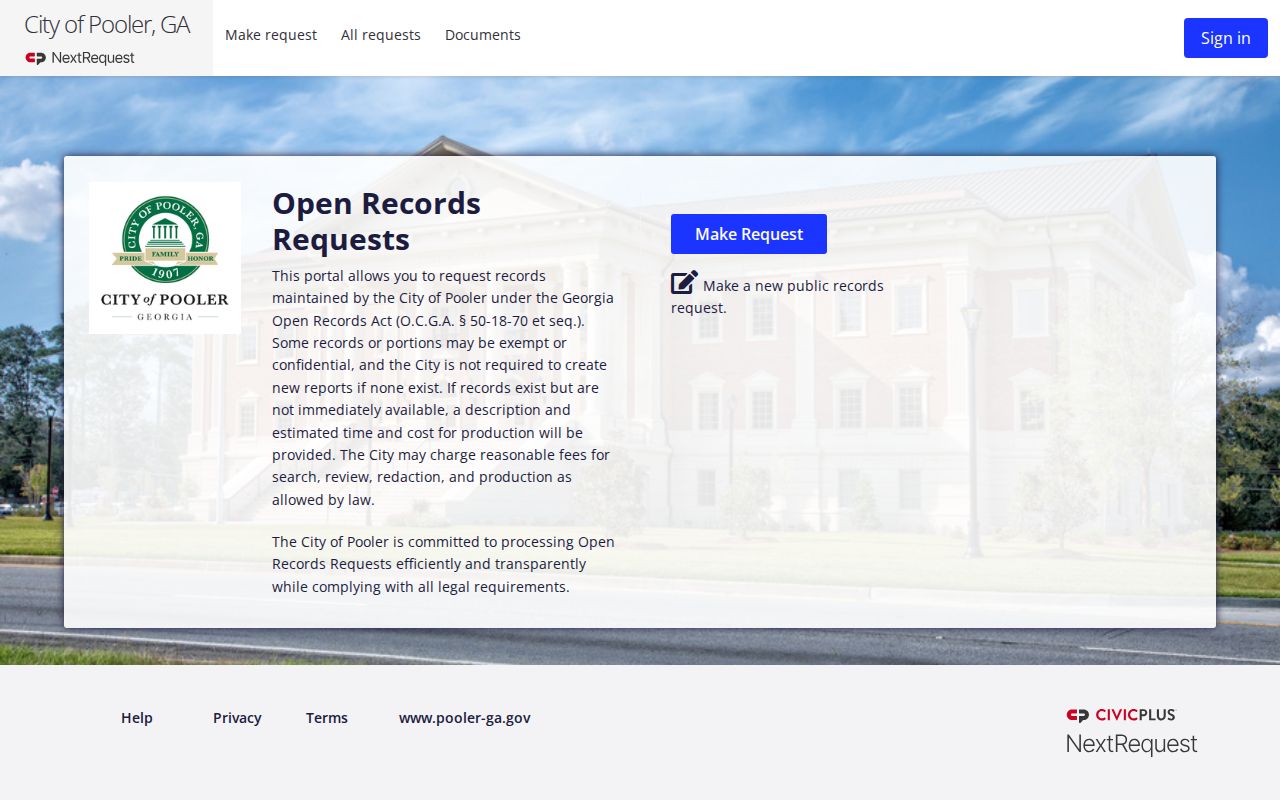
Pooler switched its municipal request system to NextRequest in February 2026. That portal fills a real gap. Cities without a records office counter still need a lawful route. The public must have some way to submit requests. The Pooler request portal handles both submission and status tracking in one place.
A good request names an existing record. Give a date range, an address, a permit or case number. Name the department most likely to hold the file. Under the Georgia Open Records Act, an office must produce the record. Alternatively, it must send a written timetable and cost estimate within three business days. The law never forces an office to build a new report from scratch.
County-level requests now run through JustFOIA. Aim any request at the government that created the record or keeps it day to day.
Pooler City Records Stay Local
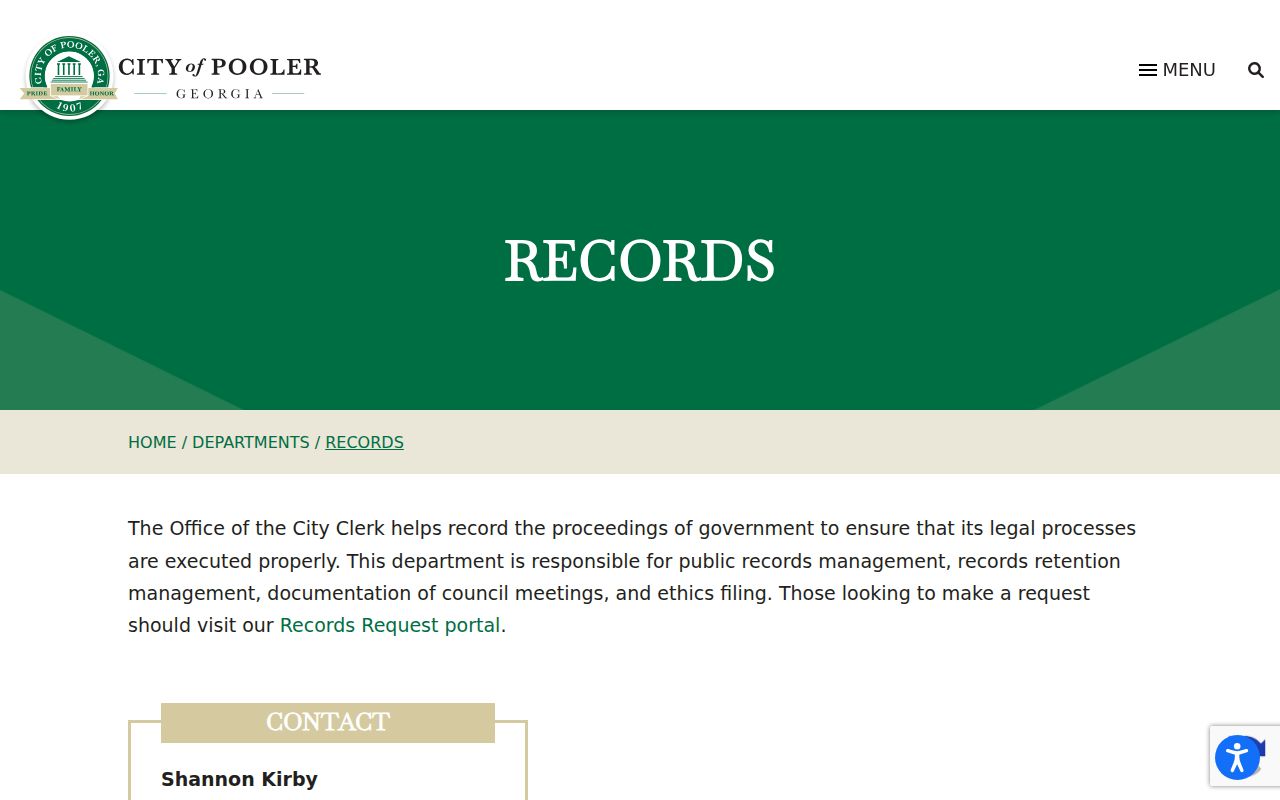
City records answer questions county indexes cannot. Pooler keeps its own paper trail. The clerk routes requests for council minutes, ordinances, contracts, correspondence, and administrative files. Building and Planning holds applications and inspection material. Code Enforcement keeps cases organized by address, and Police runs channels for incident and accident reports. The official Pooler records department page names the deputy city clerk as records custodian and lays out the request route.
Permits carry their own limits. A permit can date work at a parcel and name an applicant or contractor. It cannot prove who actually occupied the site.
Requests move fastest when they name a department, an address, a subject, and a date span. Broad sweeps cost more and take longer, since staff must review every page for lawful redactions.
Georgia Law Sets Pooler Access
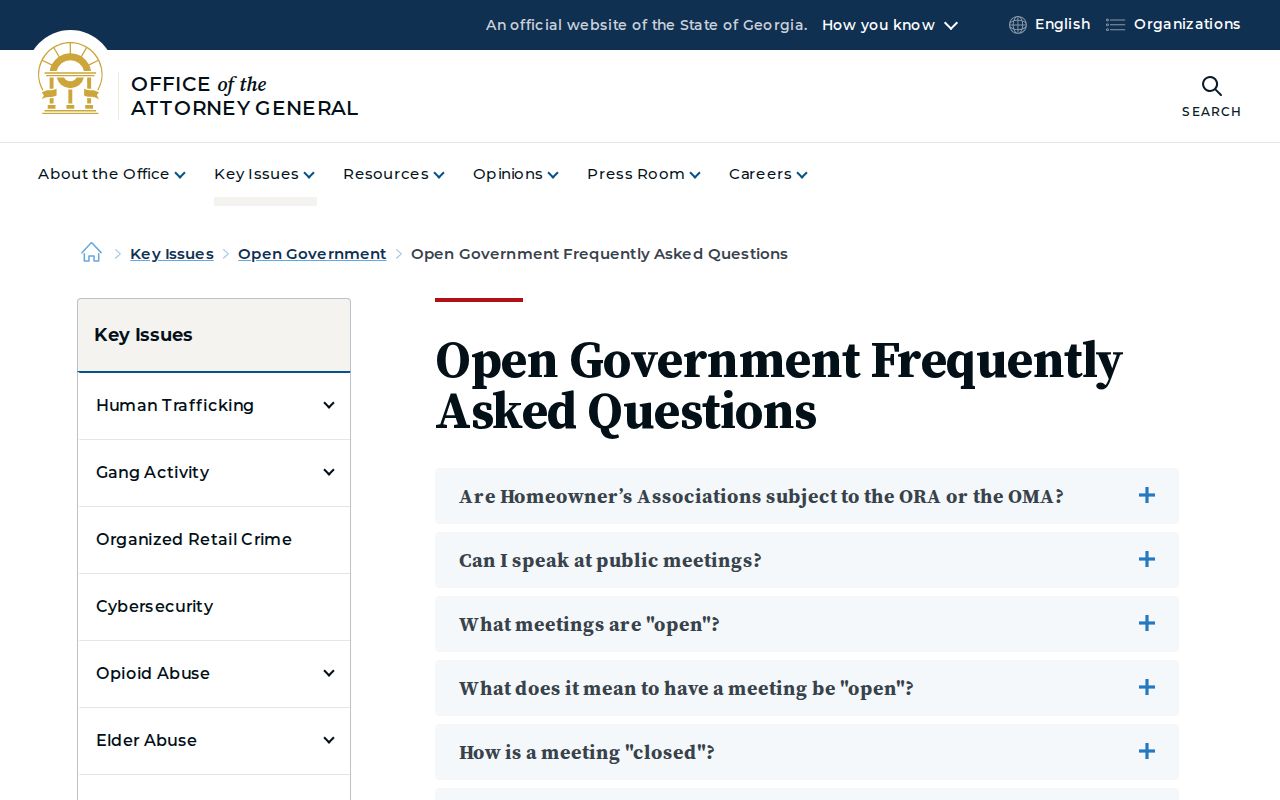
The Georgia Open Records Act, O.C.G.A. §50-18-70 et seq., presumes agency records are open. A specific exemption can still cover them. Agencies may bill for reasonable search, retrieval, redaction, and copying. The first quarter-hour of administrative time is free. Requests should describe records rather than ask an office to answer a question or compile a new directory. When an office withholds an item, the response should cite the legal basis for the exemption. The Georgia Attorney General's open-government guidance walks through timing, fees, and the privacy redactions that come up most often.
Treat the statute as a fallback, used only after the named portal and custodian come up empty. A precise request is easier to process and far less likely to sweep in exempt personal data.
Pooler Postal Lines Can Mislead
The 31322 mailing area is not the Pooler city boundary. USPS moved 2,660 deliveries from 31322 to Savannah 31407 in 2015. A deed, a permit, and a later tax card can therefore show different city and ZIP lines for one parcel. That parcel never moved an inch. Search both address forms, then anchor the work to the PIN and the legal description.
A postal city, an incorporated city, and a parcel jurisdiction are different facts. Confirm jurisdiction in SAGIS.
Pooler counts about 28,738 residents across roughly 31 square miles. With growth pushing toward the interstate and the airport, boundary checks earn their keep.
Pooler Residents in Old Directories
Pooler began as an 1838 railroad settlement once known as Pooler's Station. That history points researchers toward Savannah and Chatham regional collections rather than a stand-alone local series. Polk volumes covering Pooler have been verified for 1951, 1954, 1955, 1957, 1959, 1961, 1962, and 1963-64. The 1951 abbreviation key marks the town with a simple "P." A single directory entry can preserve a spouse, an occupation, an employer, and a locality. The UGA city-directory holdings page describes the wider Georgia collection, and the full collections and reading method appear in the Pooler city directory.
Pooler Privacy Has Firm Lines
Official rolls leave protected information out or redact it. Driver records are restricted. Utility account details do not function as a public household directory, and Safe at Home can supply a substitute address for eligible survivors. Public-employee home contact details are exempt too. Commercial compilations can mix stale addresses with same-name people, while an official index stays tied to a named custodian and a clear record purpose.
| Source type | Main strength | Main limit |
|---|---|---|
| Official index | Known keeper and record context | Narrow coverage and redactions |
| Commercial compilation | Broad name and address clues | May be old, merged, or wrong |
Use resident records only for lawful personal research. Never stalk, harass, threaten, or expose a protected address.